

How much protein do seniors need? Singapore’s Health Promotion Board recommends about 1.2g of protein per kilogram of body weight a day for adults aged 50 and above — roughly 75g a day for someone weighing 62.5kg, or about 25g at each of three meals. Many older Singaporeans fall short without realising it, but small everyday swaps can close the gap.
SilverFit is a Singapore-based active ageing company that helps seniors build strength, balance and confidence through its RE Method™. Our coaches often meet seniors who train hard but eat mostly porridge, veggie soup or fish ball noodles: comforting food, but often not enough protein.
Why do seniors need more protein than younger adults?
As we age, the body becomes less efficient at using the protein we eat to maintain muscle. An international expert group, the PROT-AGE Study Group, reviewed the evidence and concluded that older adults need more dietary protein than younger adults to support good health and maintain function. For people over 65, it recommends at least 1.0 to 1.2g per kilogram of body weight a day, and at least 1.2g for those who exercise regularly.
Muscle gets you up from a chair, up the HDB stairs and home from the wet market with your groceries. Protein and exercise work best together.
How much protein do seniors need each day in Singapore?
According to HealthHub, the Health Promotion Board’s health portal, adults aged 50 and above should aim for about 1.2g of protein per kilogram of body weight a day. HealthHub also notes that one in two older adults in Singapore do not meet the protein requirements for their age.
Here is a quick way to work out your own target:
- Take your body weight in kilograms. For example, 60kg.
- Multiply by 1.2. 60 × 1.2 = 72g of protein a day.
- Divide by three meals. That is about 24g per meal — close to HealthHub’s guide of around 25g.
What does 25g of protein look like on your plate?
HealthHub gives these examples, each providing roughly 20–25g of protein:
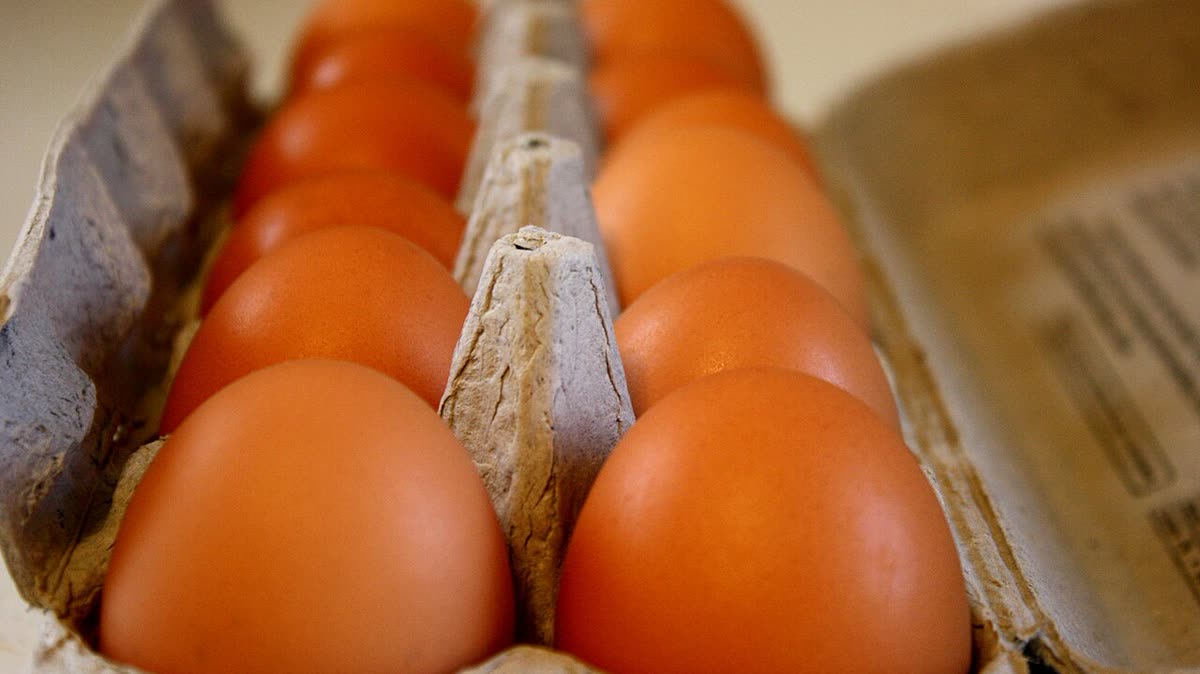
- 3 eggs
- 1 palm-sized portion of cooked lean meat, fish or poultry (about 90g)
- ¾ of a small cup of cooked pulses such as lentils, peas or beans
- Half a can of tuna
A bowl of plain porridge or noodles with a few fish balls rarely adds up to 25g.
Easy ways for seniors to eat more protein
You don’t need special products. Try these small changes, one at a time:
- Add an egg to breakfast. Steamed, scrambled or soft-boiled — or stir one into porridge.
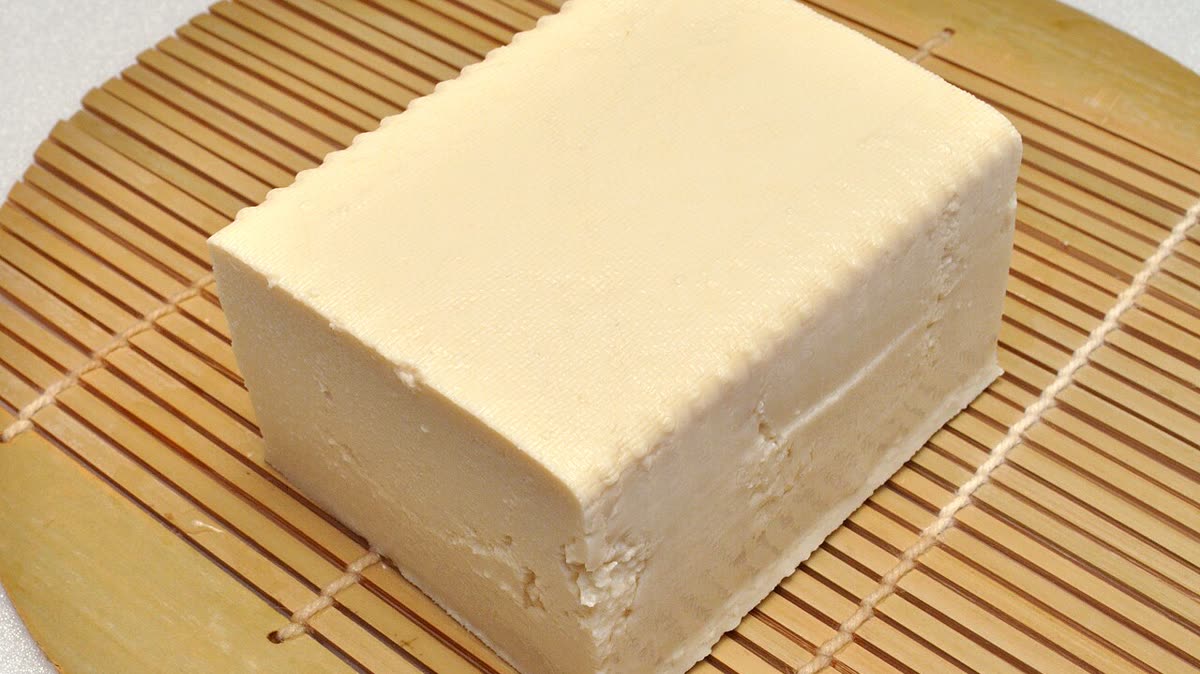
- Put tofu or fish into soups. A few cubes of tofu or fish slices turn a light veggie soup into a proper meal.
- Ask for extra protein at the hawker centre. Choose fish soup with more fish, or add an extra egg or a portion of tofu to your plate.
- Swap a drink. Unsweetened soya milk or plain milk instead of sweet kopi adds protein to a snack.
- Keep beans and lentils in the kitchen. Dhal, red bean or green bean dishes add protein and fibre.
If chewing is difficult, HealthHub suggests a softer diet built around tofu, eggs and fish. If you have dentures or swallowing difficulties, or are thinking about protein supplements, speak to your doctor or a dietitian first.
Why protein works best with strength training
Protein gives your body the building blocks; strength training tells it to use them. A simple exercise like the chair sit-to-stand is a good place to start:
- Sit near the front of a sturdy chair placed against a wall, feet flat and hip-width apart.
- Lean forward slightly and stand up, pushing through your heels. Use your hands on your thighs if you need help.
- Sit back down slowly, with control.
- Repeat 5–10 times, rest, and do 2 rounds.
Safety cue: keep the chair against a wall so it can’t slide, and stop if you feel pain, dizziness or shortness of breath. For more strength ideas, read Muscle Loss After 60: How Seniors Can Stay Strong.
How SilverFit approaches this
At SilverFit, our purpose is to help seniors age with strength, confidence and purpose — Strong at Every Age. Healthy ageing means living stronger and continuing to enjoy the people, places and activities that matter most.
Protein fits into all four pillars of the RE Method™:
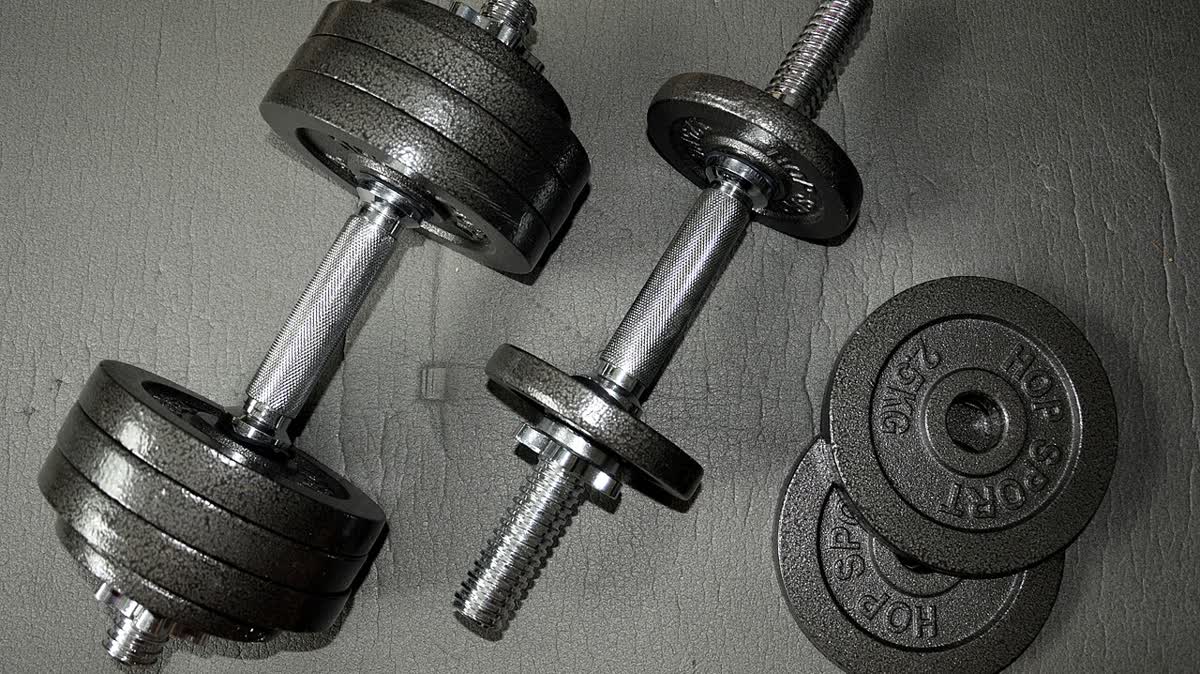
- RE·BUILD (Strength) — the main pillar here. Functional strength training, like sit-to-stands, presses and band work, paired with enough protein to support the muscle you are building.
- RE·BALANCE (Movement) — stronger legs and core support steadier balance and safer movement.
- RE·NEW (Mindset) — building one small, lasting habit at a time, like an egg at breakfast, rather than overhauling your whole diet.
- RE·STORE (Quality of Life) — the energy and independence to keep doing what you love, from marketing to playing with grandchildren.
In the SilverFit RE Programme™, our coaches draw on 15+ years of hands-on teaching experience. We start with an assessment of your strength, balance and mobility, then guide you through the 8-Week RE Programme™ with ongoing support — individually, in small groups or at home. Along the way, we discuss everyday habits like eating enough protein. If your parent finds it hard to get started, our guide on how to motivate elderly parents to exercise may help.
Frequently asked questions
How much protein does a 70-year-old need per day?
HealthHub recommends about 1.2g of protein per kilogram of body weight a day for adults aged 50 and above. A 70-year-old weighing 55kg would aim for about 66g a day, or roughly 22g per meal.
Can seniors eat too much protein?
For most healthy older adults, reaching the recommended amount from everyday foods is safe. However, people with kidney disease may need to limit protein, so check with your doctor before making big changes if you have a kidney condition or another health concern.
What are good soft protein foods for seniors?
Tofu, eggs and fish are soft, easy to chew and widely available in Singapore. Steamed egg, fish soup and tofu in porridge are simple options.
Do seniors need protein supplements?
Most seniors can meet their needs by adding a protein food to each meal. If appetite is poor or chewing is difficult, ask your doctor or a dietitian whether a supplement suits you.
A note on safety: this article is general information, not medical or dietary advice. If you have kidney disease, diabetes or another health condition, speak to your doctor or a dietitian before changing your diet. When exercising, use a sturdy support and stop if you feel pain or dizziness.
Ready to build strength with a coach beside you?
Book a Coaching Call or WhatsApp us at +65 8996 5751. Learn more about the SilverFit RE Programme™.