

No — it is not too late to start exercising after 60. A large study found that middle-aged and older adults who became more active were less likely to die early than those who stayed inactive, whatever their past activity levels. The key is to start small and build up steadily with the right support.
SilverFit is a Singapore-based active ageing company that helps seniors build strength, balance and confidence through its RE Method™. “Am I too old for this?” is one of the questions our coaches hear most often.
Is it really too late to start exercising after 60?
The evidence says no. A University of Cambridge study of 14,599 men and women aged 40 to 79 found that people who became more active over time had a lower risk of death than those who stayed inactive, regardless of how active they had been in the past. Going from inactive to meeting the minimum activity guidelines over about five years was linked to a 24% lower risk of death from any cause. It was an observational study, so it shows a link rather than proof, but the researchers’ message was clear: inactive older adults can still benefit by becoming more active.
The World Health Organization’s guidelines say the same in simpler words: any amount of physical activity is better than none, all physical activity counts, and muscle strengthening benefits everyone. WHO also links regular activity in older adults with fewer falls and better mental health, thinking and sleep.
Why do so many seniors believe it is too late?
Often it isn’t the body that says “too late”, but the story we’ve told ourselves. After an illness, a fall or years of sitting more, many seniors quietly draw a line around their lives: no more stairs, no more long walks.
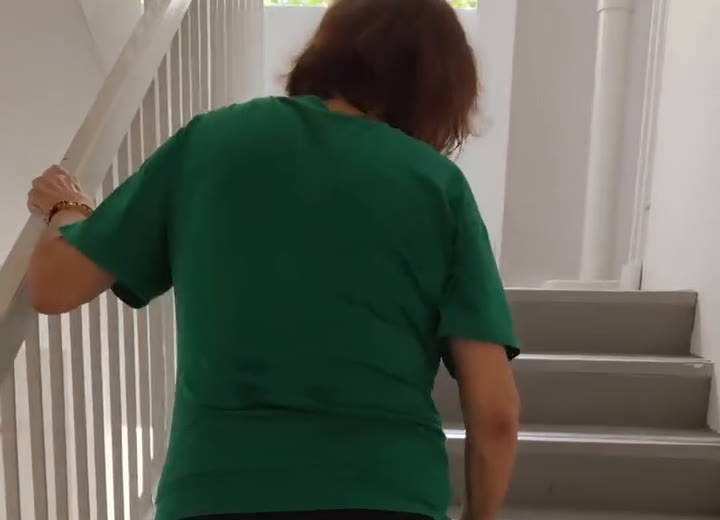
This month, one of our participants climbed the stairs of her block for the first time in about ten years; she had avoided them since a stroke. With a coach beside her, she went step by step and reached the seventh storey. She didn’t start out fit. She started from where she was.
How to start exercising after 60: a gentle first two weeks
If you haven’t exercised in a long time, begin with these four moves on three days a week. Use a sturdy chair without wheels.
- Sit-to-stand (5 times). Sit near the front of the chair, feet flat, and stand up, using your hands if needed. Sit back down slowly. Safety cue: place the chair against a wall so it can’t slide, and stop if you feel dizzy.
- Wall push-ups (5 to 8 times). Stand an arm’s length from a wall, hands flat at shoulder height, bend your elbows towards the wall, then push back. Safety cue: keep your feet planted and stop if your shoulders or wrists hurt.
- Heel raises (10 times). Hold the kitchen counter with both hands, rise slowly onto your toes, then lower. Safety cue: keep both hands on the counter the whole time.
- Marching on the spot (30 seconds). Hold the back of the chair and lift your knees one at a time, at a comfortable pace. Safety cue: keep a hand on the chair and stop if you feel short of breath, pain or dizziness.
On other days, take a short walk to the market or along a park connector. When it all feels easy, add a repetition or a few minutes of walking.
What if my parent has a health condition?
Many seniors we coach live with conditions such as diabetes, gout, hip replacements or the after-effects of a stroke. WHO’s guidelines include recommendations for people living with chronic conditions and disabilities. What changes is the how: the exercises, the pace and the support.
If your parent has a heart or lung condition, recent surgery, a past stroke or pain when moving, check with their doctor first. Then look for a coach who will assess them and adapt every exercise.
How SilverFit approaches this
SilverFit’s mission is to help seniors age with strength, confidence and purpose: Strong at Every Age. Healthy ageing is about living stronger, moving confidently and continuing to enjoy the people, places and activities that matter most, and starting late is no barrier to that. Our RE Method™ trains four pillars together:
- RE·NEW (Mindset): the heart of starting late. We replace “I’m too old” with achievable goals and celebrate small wins, like the first flight of stairs in years.
- RE·BUILD (Strength): functional strength for rising from a chair, carrying groceries and climbing stairs.
- RE·BALANCE (Movement): balance and mobility to move more steadily and reduce fall risk.
- RE·STORE (Quality of Life): getting back to what matters, from the stairs home to time with the grandchildren.
In the SilverFit RE Programme™, we start with a comprehensive assessment, then work through the 8-Week RE Programme™, followed by ongoing support. Coaching can be one-to-one, in a small group or at home, on the real stairs your parent faces every day. With 15+ years of hands-on teaching experience, SilverFit’s coaches meet each person where they are. For more ideas, read how to motivate elderly parents to exercise or our guide to muscle loss after 60.
Frequently asked questions
Is 70 or 80 too old to start strength training?
No. WHO’s guidelines say muscle strengthening benefits everyone, and older adults who become more active can still gain real benefits. Start with simple moves such as sit-to-stands and progress slowly.
How long before a senior sees results from exercise?
It varies from person to person. Many seniors find that everyday tasks, like getting up from a chair, start to feel a little easier after a few weeks of regular practice.
What is the best first exercise for an inactive senior?
The sit-to-stand from a sturdy chair is a good place to begin, because it builds the leg strength used every time you get up, sit down or climb a step.
My parent says they’re too old to exercise. What can I do?
Listen first, because “too old” often hides a fear of falling. Suggest one small goal linked to something they care about, offer to join them, and consider a coach who can build their confidence safely.
A note on safety: start slowly, keep a sturdy support within reach, and stop if you feel pain, dizziness, chest discomfort or unusual breathlessness. If you have a heart condition, recent surgery, a past stroke or another health condition, check with your doctor before starting. This article is general information, not a substitute for medical advice or a personalised assessment.
Ready to take the first step, at any age?
Book a Coaching Call to find out how the SilverFit RE Programme™ can help you or your parent get stronger, or WhatsApp us at +65 8996 5751.