
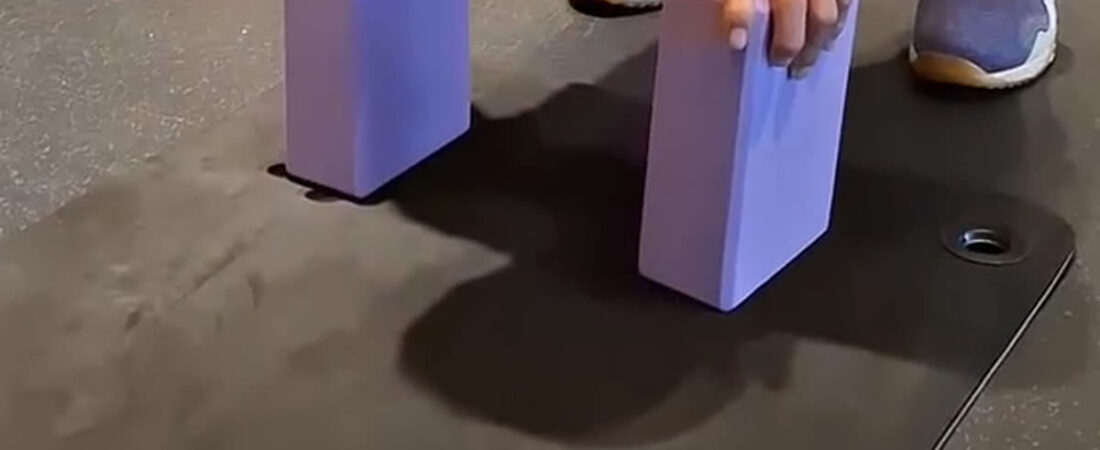
The best way to motivate elderly parents to exercise is to start with what they can already do, make the first step almost too small to refuse, and stay beside them while they try. Most seniors who say “I can’t” have never been shown that they can. One small success — a single rep, done on their own — usually does more than any amount of persuading.
SilverFit is a Singapore-based active ageing company that helps seniors build strength, balance and confidence through its RE Method™. From 15+ years of coaching seniors, our coaches have learnt that the hardest part of exercise is rarely the body. It’s the belief that comes first.
Why do elderly parents say “I can’t” before they even try?
Years of hearing “slow down”, “be careful” and “don’t push too hard” add up. Many older adults learn their limits so well that they stop testing them. A weaker hand gets rested. A tricky step gets avoided. Over time, avoiding a movement feels safer than attempting it — and the less they do, the harder it becomes.
Recently, a 78-year-old participant was working on a grip strengthener. His right hand was weaker, so he kept reaching for it with both hands, or resting the right hand on his leg. Each time, the coach gently asked him to try with just the right hand. When he finally did, the change in his expression said it all. He hadn’t become stronger in that moment. He had simply discovered that he could.

How to motivate elderly parents to exercise: 6 practical steps
These steps work whether your parent lives with you or in their own HDB flat across the island.
- Talk about what they want to keep doing, not about exercise. Taking the MRT on their own, climbing the stairs to the kopitiam, carrying a grandchild. Exercise becomes the way to protect those things, not a chore.
- Start with one tiny, achievable task. For example, 5 sit-to-stands from a sturdy chair, once a day. Safety cue: use a chair without wheels, placed against a wall, and stop if there’s pain or dizziness.
- Stay beside them for the first few tries. Your presence lowers the fear. Stand close, offer a hand if needed, but let them do the work.
- Gently push back on “I can’t”. Instead of arguing, try “Let’s just try once.” If one side is weaker, encourage a few reps with that side too — slowly, within comfort.
- Celebrate the small win out loud. “You did that on your own.” Naming the success helps it stick, and that memory is what brings them back tomorrow.
- Build a routine, then add a little. Same time each day, after breakfast or before the evening news. Once 5 reps feel easy, try 8, then 10.
Does exercising together help seniors stay motivated?
Very often, yes. Doing it together turns exercise from a test into a shared activity. Some of the most consistent people we coach are couples who train side by side — same home, same table, and now the same workout, supporting each other through every rep.
You don’t need a gym to do this. A short walk along the park connector after dinner, or a few stretches together in the living room, counts. Join in yourself when you visit. Few things motivate a parent more than their child doing it with them.
How much exercise do seniors actually need?
Less than many families imagine, at least to start. The CDC recommends that adults aged 65 and older aim for at least 150 minutes of moderate activity a week, at least 2 days of muscle-strengthening activities, and activities to improve balance. The CDC also notes that if this is hard to reach, some physical activity is better than none at all.
The World Health Organization makes the same point: any amount of physical activity is better than none, and all physical activity counts. So if your parent manages only five minutes today, that’s a real start — not a failure.
What should I avoid saying to an elderly parent about exercise?
- Fear-based warnings like “If you don’t exercise, you’ll fall.” Fear tends to make people move less, not more.
- Comparisons with friends, neighbours or how they were at 50.
- Doing it for them. Helping too quickly can quietly confirm the “I can’t”.
- Impatience. Progress is often slow at first, then sudden. Be the one who keeps believing.
How SilverFit approaches this
Motivation sits at the heart of RE·NEW (Mindset), one of the four pillars of the RE Method™. We help seniors set achievable goals, celebrate small wins and build healthy habits that last — alongside RE·BUILD for strength, RE·BALANCE for movement and RE·STORE for quality of life. The body follows the mind, so we work on both together.
In the SilverFit RE Programme™, every senior starts with an assessment, then follows an 8-week programme at their own pace — at home, in small groups or in the gym, with ongoing support after. Curious what that looks like? Read what happens in your first SilverFit session, or try these 5 simple ways to build balance at home. You can also learn more about SilverFit.
Frequently asked questions
What if my elderly parent refuses to exercise?
Don’t force it. Ask what they’d like to keep doing on their own, then suggest one very small step towards it, done together. Refusal often softens once they see the first task is easy and someone is beside them.
What is a good first exercise for a senior who hasn’t exercised in years?
Sit-to-stands from a sturdy chair are a good start: 5 slow reps, with the chair against a wall and hands ready to help if needed. If your parent has a health condition, recent surgery or pain, check with their doctor first.
Is it too late for my parent to get stronger in their 70s or 80s?
It’s rarely too late to start moving more, and many of the seniors we coach begin in their 70s. Starting gently, progressing gradually and getting a proper assessment helps make it safe and achievable.
Should I hire a coach for my elderly parent?
A coach can help if your parent needs a programme matched to their abilities, or listens better to someone outside the family. A good coach will assess strength and balance first and progress at your parent’s pace.
A note on safety: start slowly, use a sturdy chair or wall for support, and stop if there’s pain, dizziness or shortness of breath. This article is general information, not a substitute for advice from a doctor or a personalised assessment — which is exactly what the first session of the SilverFit RE Programme™ is for.
Want help getting your parent started?
Book a Coaching Call or WhatsApp us at +65 8996 5751.